
Music culture flourished in Transylvania during the 16th century. What we may infer is that the court in Alba Iulia saw a flow of virtuoso musicians whose level of professional accomplishment was similar to that of musicians playing for many other courts in Europe and England.
Between 1590 and 1599 Sigismund Báthory had five editions of Venitian music dedicated to him. The foreign musicians in his service came primarily from today’s Italy, but also from the German and Polish lands. His education mattered but then so dis his close connections to Italy and the Habsburgs. Sigismund Báthory’s taste shaped the image of his court as much as his orchestras, believed to be quite singular as far as Transylvanian Princes and their courts are concerned.
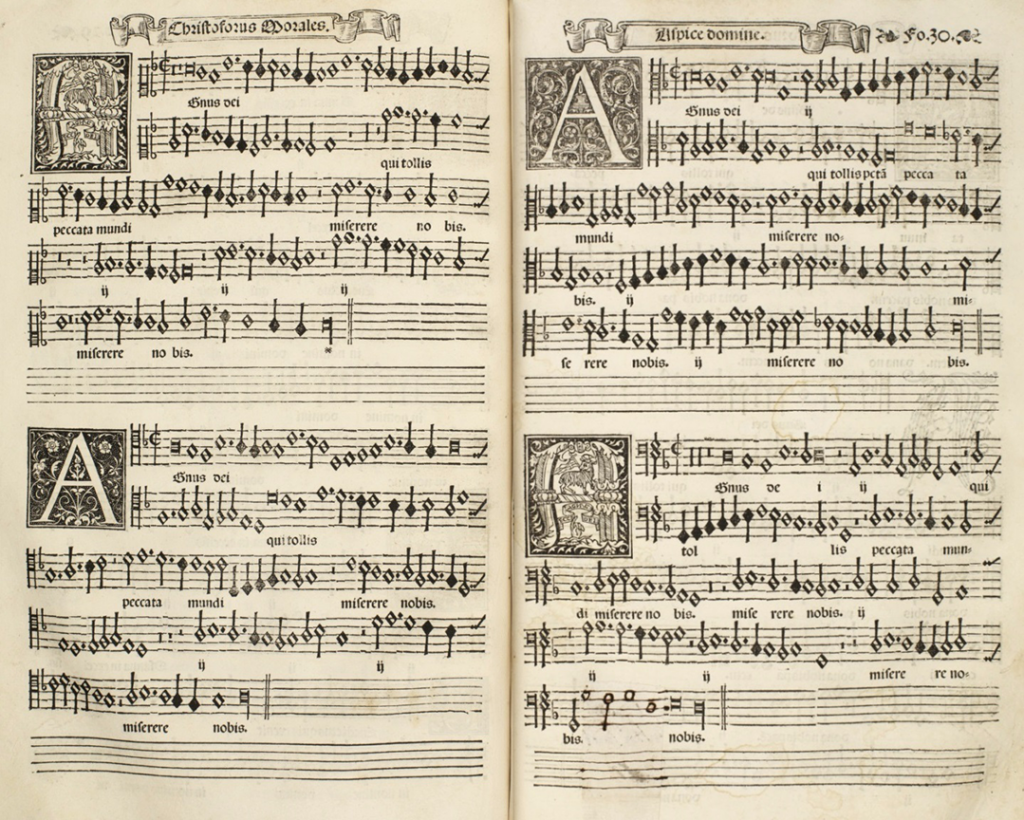
Though not much is known about most of the foreign musicians who played for the prince, some information concerning their life, career, and activity still reached us.
One of Báthory’s Italian musicians was Pietro Busco who, in 1595, portrayed the prince as “playing very well all types of musical instruments [,] and as good a composer of music pieces as the most illustrious authors”.
In March 1595 composer Giovanni Battista Mosto, who was already in Venice, published a first book about the madrigal, a chamber music genre which had no instrumental accompaniment. In this book dedicated to Báthory, Mosto professed the idea that he composed his madrigals principally in Transylvania. It is quite possible that the musician was responsible for the music played at the wedding of Sigismund Báthory and Maria Christierna of Habsburg which took place in the summer of 1595.