
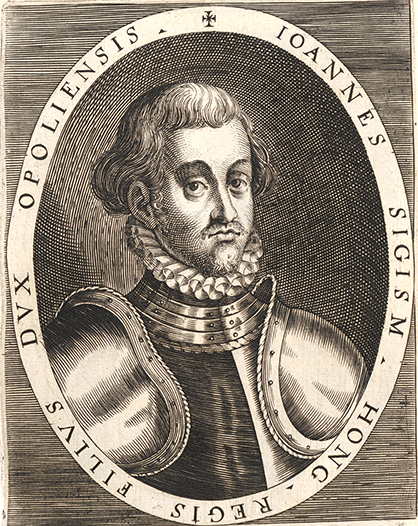
Shortly after his birth, John Sigismund, son of Queen Isabella Jagiellon, was made King of Hungary (1540). His appointment by Hungarian noblemen defied the interests of Ferdinand I, the Habsburg emperor. The conflict between the Habsburg and the Ottoman empires had just been rekindled. Suleyman the Magnificent made a bold move on the political chessboard by turning Hungary into a pashalik, an Ottoman province (1541), and sent Isabella, the recently widowed queen, to Transylvania, granting her son the title of Prince of the province, which retained its autonomy.
Ten years of complicated ruling arrangements followed suit as Isabella and Cardinal Martinuzzi reigned until the young prince came of age. However, Isabella and Martinuzzi’s plans regarding the future of Hungary were quite different.
From the very moment he was allowed to make his own decisions, John Sigismund’s rule came constantly under threat from those who contested him and favoured Habsburg interests over the Kingdom of Hungary (which the young prince had never given up). This intricately woven political script prompted him to join forces with the Ottoman empire. The move proved to be a winner, as it helped John Sigismund II to hold on to the lands he ruled. The matter was finally settled following the Treaty of Adrianople (1568) which put an end to the war between the House of Habsburg and the Ottomans.