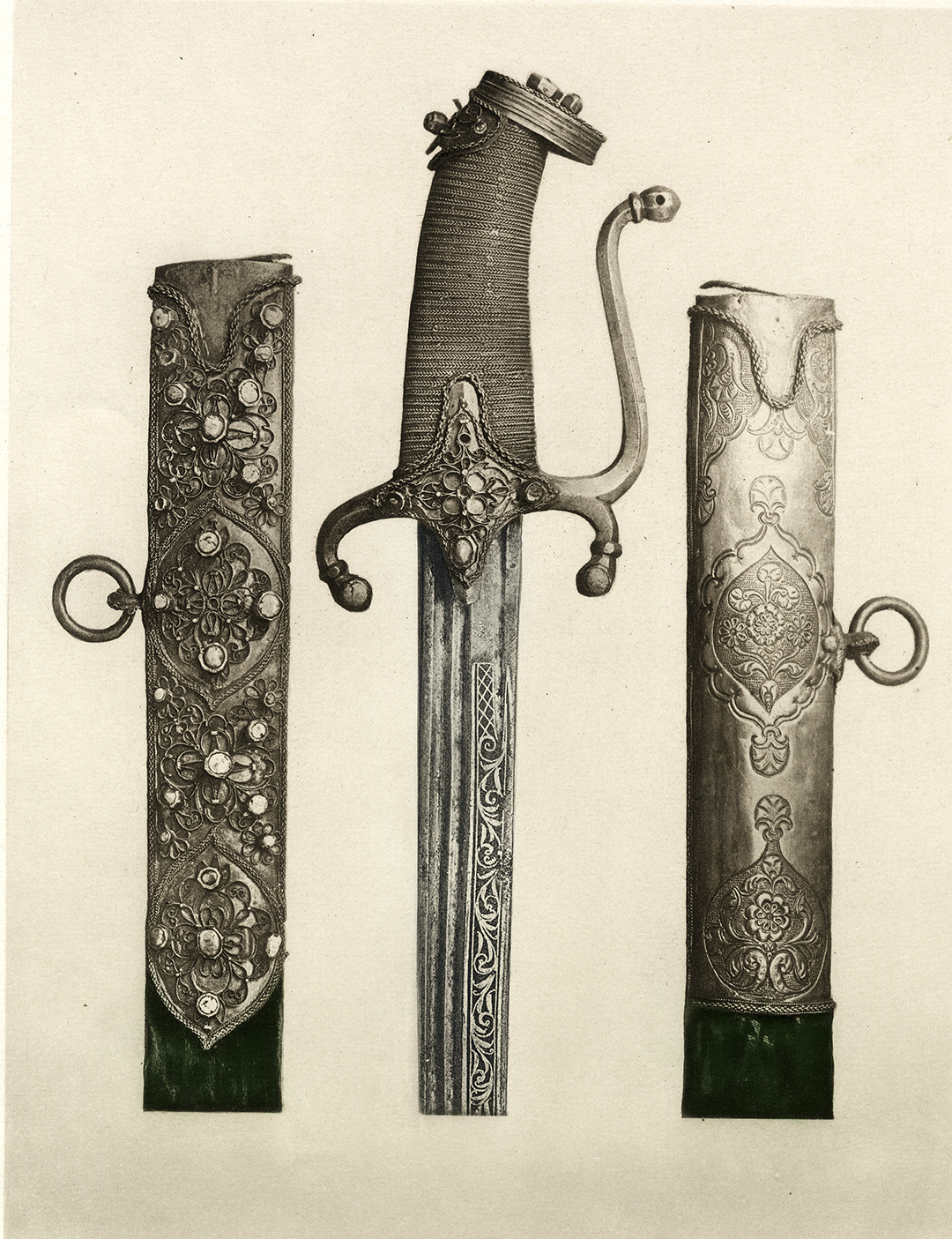
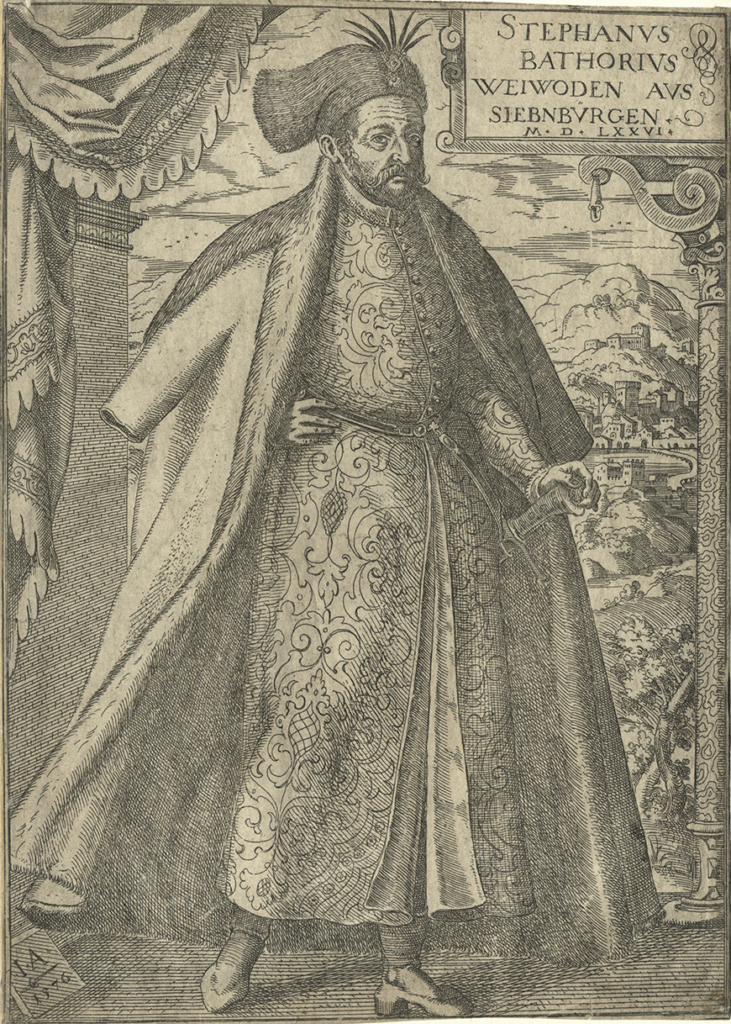
A genuine diplomat, Stephen Báthory may easily be labeled the ultimate leader. Both as Prince of Transylvania (1571-1575), and as King of Poland (1575-1586), he used his erudition and cultural refinement to heighten his military, diplomatic and economic skills, a mix that helped him rebuild both Poland’s image and its power as a kingdom.
Prior to being made prince, Stephen Báthory had been greatly disappointed by Habsburg King Ferdinand I’s refusal to ransom him from the Turks. It was this first-hand experience that made him fully understand the extent to which he alone could engineer his ascent to power.
coll. Hungarian National Museum
In 1575 he seized the opportunity presented by Sigismund II’s death (who was heirless) and, given the military prowess that helped him gain against the Habsburg party, became King of Poland. A helping hand from Polish chancellor Jan Zamoyski also proved decisive.
Stephen Báthory keenly supported literacy and increased the quality of cultural life in Transylvania. Among the many educational institutions he founded is the Jesuit College in Cluj (1581).
A true if somewhat subjective description of Stephen Báthory was left to us by chancellor Farkas Kovacsóczy, who wrote upon the former’s death and to support the appointment of yet another Báthory as King of Poland: “Not only was he great and glorious on the battlefield; his peace works in no way belittle him. Look back at the time he was offered the kingship and compare it to how he left the country: what a huge difference. How big was the confusion then and how orderly the country is now; we used to fear our neighbor [the Russians] and now the enemy is afraid of us; [..] Then it was difficult to administer justice whereas now it is easy. Then people looked for justice but rarely did they find it; now legal services are safe and swift. State revenues, so low and much reduced before his time, he struggled hard to increase and grow they did…”